
Behind London’s Blue Plaques: What Makes a Home Historic?
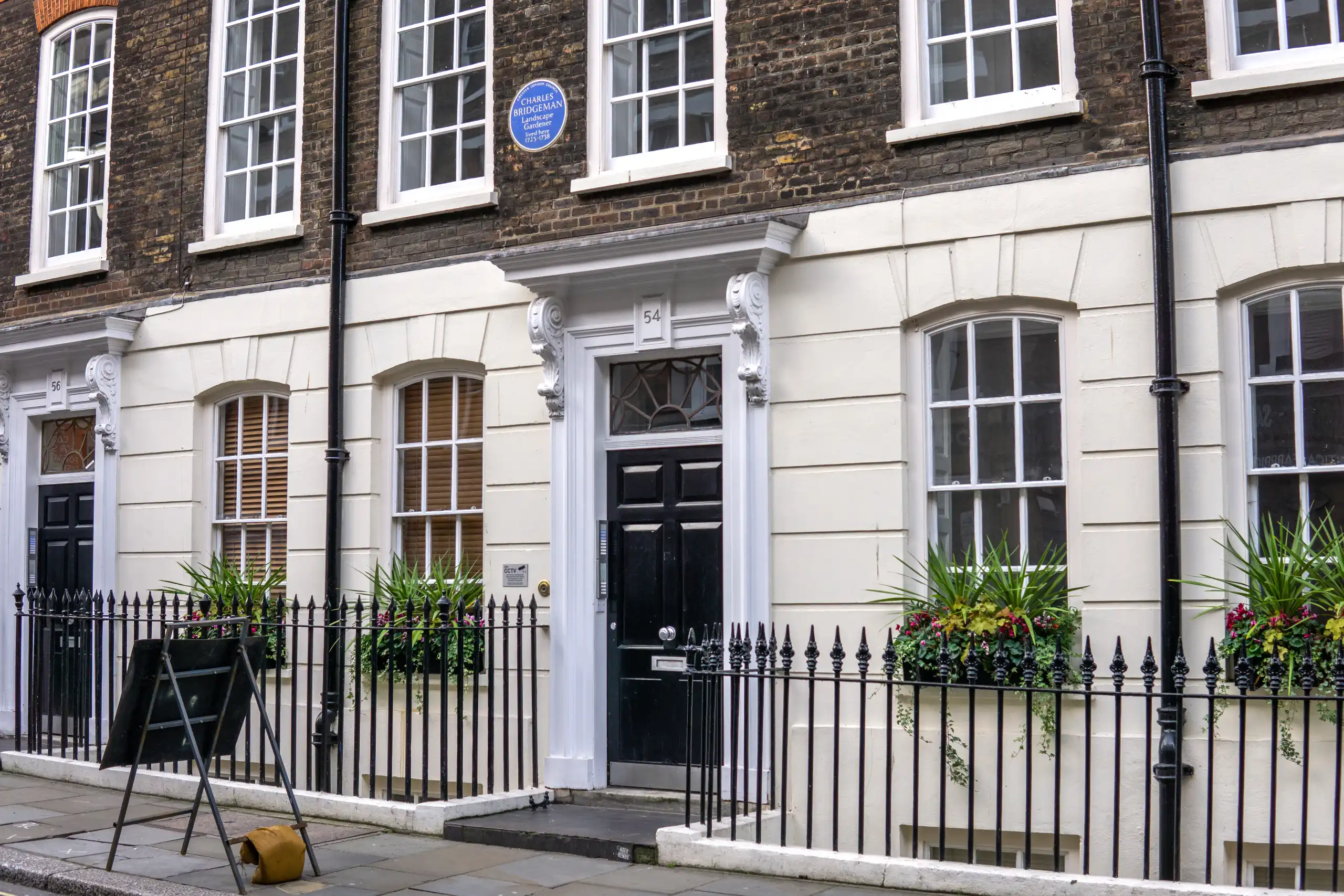
For the discerning global investor, the acquisition of a London residence is often more than a simple allocation of capital into prime real estate. It represents the procurement of a tangible legacy. Among the most recognizable markers of such prestige is the circular blue ceramic plaque, a signifier that a building once housed a figure of significant historical or cultural importance. While these markers are ubiquitous across the city’s most affluent postcodes, they represent a complex intersection of cultural capital, fiduciary responsibility, and heritage management. Understanding the nuances of owning a blue plaque property is essential for international buyers who seek to balance the romance of history with the discipline of a sound investment strategy.
The Genesis of a London Icon
The blue plaque scheme is the oldest of its kind in the world, established in 1866 by the Society of Arts. Its original intent was simple yet profound: to link the illustrious figures of the past with the physical fabric of the present. The first plaque ever installed commemorated the poet Lord Byron at his birthplace in Cavendish Square, though that building has since been demolished. Responsibility for the scheme eventually passed to the London County Council and later to English Heritage, which has curated the program since 1986. Today, over 900 official plaques adorn the walls of the capital, honoring everyone from Winston Churchill and Virginia Woolf to Jimi Hendrix and Alan Turing.
These plaques do more than merely identify a former resident. They transform a private residence into a landmark, weaving the property into the very narrative of London’s history. For many, the appeal lies in the proximity to greatness, the idea that one might enjoy morning coffee in the same room where a Prime Minister drafted policy or a novelist penned a masterpiece. However, from a professional advisory perspective, The Luxury Collective UK views these properties through a lens of scarcity and provenance, factors that are increasingly relevant in a global market where “one of a kind” assets command the highest attention.
The Fiduciary Perspective: Market Value and Investment Logic
When evaluating a home with a blue plaque, the primary question for high-net-worth individuals often concerns the financial premium. Does a ceramic circle on the wall translate into a higher valuation? The data suggests that while a plaque does not guarantee a fixed percentage increase in price, it significantly enhances the liquidity and marketability of a property. Research into prime central London transactions indicates that historic provenance can act as a powerful differentiator in a crowded market. A property that possesses a unique story is often insulated from the broader fluctuations of the real estate cycle because its value is derived partly from its irreplaceable nature.
Investors must also consider the risks associated with such assets. The most prominent concern is the potential for increased public attention. An official English Heritage plaque is designed to be visible and legible from the street, which can occasionally attract historians, tourists, and architectural enthusiasts. For clients who prioritize absolute anonymity, this visibility might be viewed as a drawback. However, for many others, the “trophy asset” status of a historic home outweighs the minor inconvenience of occasional onlookers. The Luxury Collective UK frequently advises clients on how to implement sophisticated security and privacy measures that respect the building’s character while ensuring the resident’s comfort. Furthermore, the scarcity of these homes ensures they remain in high demand. With strict criteria for new plaques, the pool of such properties remains limited, which is a fundamental driver of long-term capital preservation.
Navigating the Heritage Landscape
A common misconception among international buyers is that the presence of a blue plaque imposes immediate and restrictive legal constraints on the property. In reality, the plaque itself carries no statutory power. The challenges: and opportunities: associated with historic ownership typically arise from the building’s Grade listing. It is a statistical reality that the majority of blue plaque homes are either Grade I, Grade II*, or Grade II listed, or situated within protected conservation areas. This status necessitates a more nuanced approach to renovations and maintenance.
Owning a piece of history requires a commitment to stewardship. Any proposed alterations, from window replacements to structural extensions, must undergo a rigorous heritage process to obtain Listed Building Consent. While some may view this as a hurdle, the team at The Luxury Collective UK views it as a safeguard for the asset’s value. The strict regulations ensure that the architectural integrity of the neighborhood is maintained, protecting the investor from unsympathetic developments in the immediate vicinity. For those who wish to understand the broader legal implications of buying in the UK, our legal primer for US buyers provides a comprehensive overview of the structural and regulatory environment.
There is also a significant PR and branding benefit to owning a historic home. For individuals who use their residence for entertaining or as a base for philanthropic endeavors, the provenance of a blue plaque property provides an immediate point of conversation and a level of social leverage that a modern penthouse cannot replicate. It signals a deep connection to the cultural heart of London, an attribute that is particularly valued in high-level executive and diplomatic circles.
The American Fascination with Provenance
In our experience at The Luxury Collective UK, American clients often demonstrate a particular affinity for London’s historic stock. This fascination is frequently rooted in a desire for “provenance”: a term more commonly associated with the fine art and antiquities markets. For a buyer from a country with a relatively young architectural history, the opportunity to own a 300-year-old Georgian townhouse in a neighborhood like South Kensington or Marylebone is genuinely compelling.
This preference is not merely sentimental. American investors often recognize that while luxury finishes can be replicated anywhere in the world, the history of a building is a finite resource. A home where a Founding Father once stayed or where a globally recognized scientist lived offers a level of prestige that transcends the current trend of “quiet luxury.” We have noted a consistent trend of US buyers seeking out these residences as part of a broader strategy to establish deep roots in the United Kingdom. Our neighborhood focus on South Kensington highlights how these historic areas continue to attract a sophisticated international demographic.
Furthermore, many of our clients view the purchase of a blue plaque home as a form of cultural patronage. By investing in and maintaining these properties, they are participating in the preservation of London’s heritage. This alignment of personal interest with public benefit is a hallmark of the sophisticated advisory model we provide. For those relocating, our commitment to the fiduciary standard ensures that every aspect of the transaction is handled with the highest level of professional care.
The Strategic Outlook for 2026
As we look toward the future, the demand for properties with demonstrable history remains robust. We anticipate that the scarcity of prime central London assets will continue to drive price growth, particularly for those with unique cultural identifiers. The blue plaque remains the gold standard for such identifiers.
Ultimately, behind every blue plaque is a story that has stood the test of time. For the client of The Luxury Collective UK, owning that story is an intentional choice to acquire an asset that is as much about character as it is about capital. While the process of acquiring and managing a historic home requires a more sophisticated level of oversight, the result is a residence that offers a level of distinction and permanence that few other investments can match. Whether you are an American executive relocating to the capital or a seasoned international collector, the allure of the blue plaque remains a cornerstone of the London luxury market.