
How to Find the Best London Neighborhood for Your Family
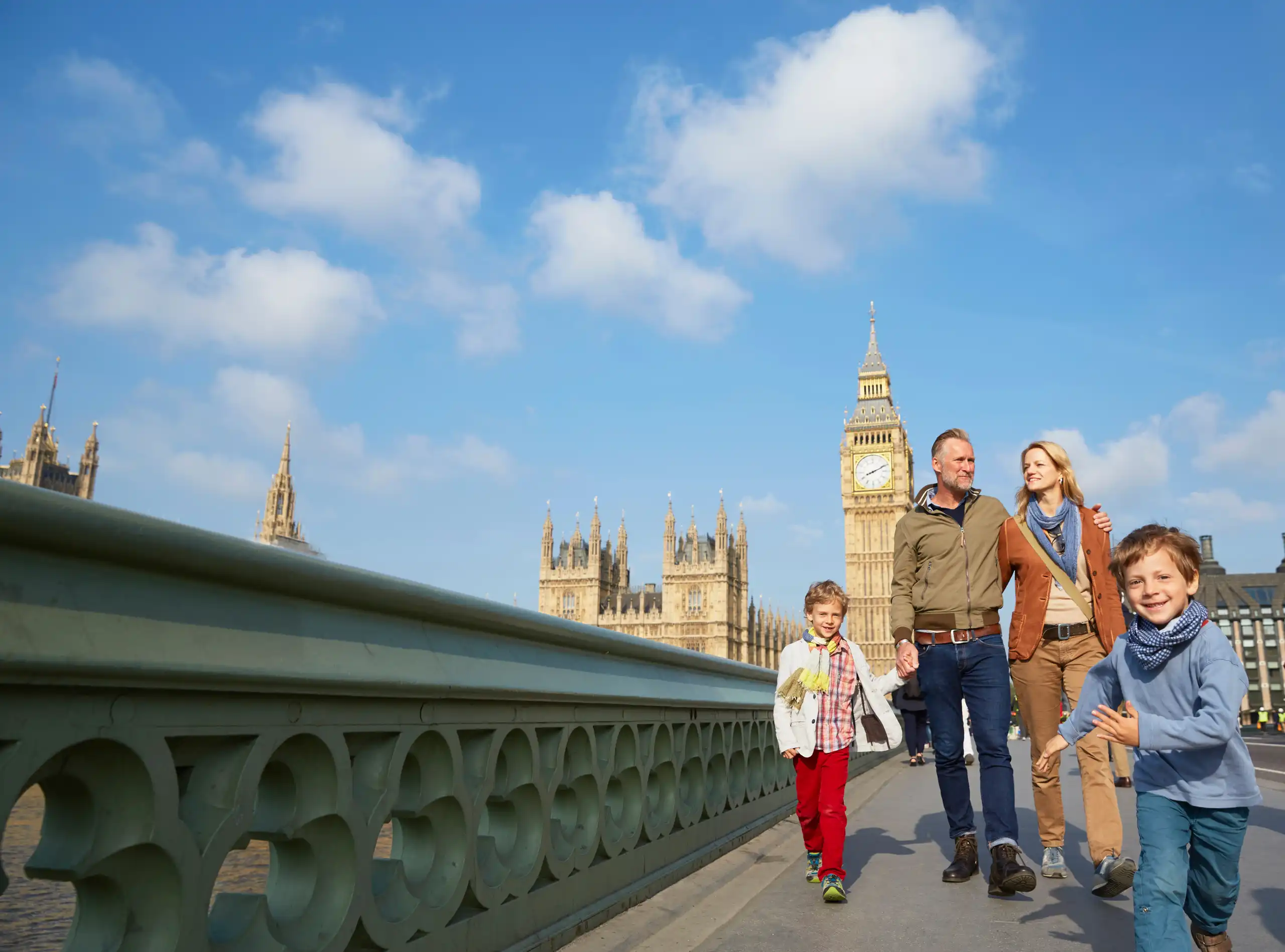
Finding the perfect London neighborhood for your family transcends simply picking a postcode: it requires understanding the intricate tapestry of community, culture, and convenience that defines each area. The capital’s diverse districts each possess their own distinct character, from the tree-lined tranquility of residential enclaves to the bustling energy of areas where international communities naturally gravitate.
The art of neighborhood selection lies in recognizing how different areas serve different family needs. Some neighborhoods cultivate a village-like atmosphere within the urban sprawl, while others offer proximity to world-class cultural institutions that become part of daily life. The most successful relocations happen when families understand not just what an area offers, but how those offerings align with their specific lifestyle aspirations.
Belgravia: The Diplomatic and Garden Square Enclave
Belgravia represents London’s most refined residential statement. Its Regency architecture, pristine garden squares, and diplomatic presence create an atmosphere of quiet authority that appeals particularly to international business leaders and embassy families. The white stucco terraces along Eaton Square and Chester Square maintain their Georgian grandeur, while the area’s mews houses offer more intimate family homes with private garages, a rarity in central London.
American families gravitate toward Belgravia for its positioning between Knightsbridge’s retail infrastructure and Westminster’s institutional gravity. The neighborhood provides walking distance to Green Park and Hyde Park Corner. Daily life here follows a measured pace: morning school runs along tree-lined streets, afternoon walks through Belgrave Square Gardens, evenings in quietly sophisticated restaurants along Elizabeth Street. The area attracts families who value discretion and pedigree over vibrancy.
Knightsbridge: High-End Retail and Hyde Park Proximity
Knightsbridge positions families at the intersection of London’s retail heart and its premier green space. Living steps from Harrods and Harvey Nichols creates convenience that transforms daily logistics, while Hyde Park provides expansive lawns, the Serpentine, and the Diana Memorial Playground within immediate reach. The neighborhood’s mansion blocks along Sloane Street and Pont Street offer substantial family apartments with porter services and private gardens.
The American community here values the synthesis of urban sophistication and outdoor access. Hyde Park functions as an extension of living space allowing morning runs along the Serpentine and weekend picnics. Families here typically maintain active lifestyles, appreciating neighborhoods where culture, commerce, and nature intersect within a tight radius. The positioning allows children to grow up understanding London as both a park city and a global capital.
Mayfair: The Heritage and Luxury Landmark
Mayfair occupies a category entirely its own. The neighborhood’s Georgian squares, private members’ clubs, and Michelin-starred restaurants create an environment where history and contemporary luxury coexist seamlessly. Grosvenor Square’s recent redesign and Berkeley Square’s plane trees provide green sanctuary, while the area’s positioning places families within walking distance of St James’s Park and the Royal Academy of Arts.
International families choosing Mayfair typically prioritize central positioning and architectural heritage. The neighborhood serves fewer young families than other PCL areas, but those who settle here value its unmatched combination of location, prestige, and cultural access. Educational options require slightly longer commutes, though Francis Holland Regent’s Park and Westminster Under School remain accessible. Mayfair appeals to families who view their London residence as part of a global portfolio and appreciate living at a cultural center.
Chelsea: The Classic Family Hub and King’s Road
Chelsea functions as Prime Central London’s established family neighborhood. The King’s Road provides retail infrastructure that feels both local and international, while the area’s garden squares and the Chelsea Physic Garden create village-like pockets within the urban fabric. The neighborhood’s townhouses along streets like Cheyne Walk and Oakley Street offer family-sized homes with private gardens, accommodating growing children and the daily logistics of school-age life.
American families have settled in Chelsea for generations, drawn by its combination of independent schools and community infrastructure. The area’s playgrounds and family-oriented cafes support daily rhythms. The neighborhood cultivates genuine community: parents recognize each other at school gates, children form lasting friendships, families settle for years rather than months. Chelsea represents stability within Prime Central London, an area where international families build lasting roots rather than temporary bases.
South Kensington: The Cultural and Academic Quarter
South Kensington positions families within London’s museum district, where the Natural History Museum, Science Museum, and Victoria and Albert Museum become regular rather than occasional destinations. The neighborhood attracts academic families, those in creative industries, and international households who prioritize cultural immersion as central to their children’s upbringing. The area’s Victorian mansion blocks along streets like Queen’s Gate and Cromwell Road provide substantial family apartments, while nearby garden squares offer protected outdoor space.
The American community here tends toward those relocating for academic or cultural institutions. Imperial College’s presence influences the neighborhood’s intellectual atmosphere, while proximity to the Royal Albert Hall and Royal College of Music creates a distinct cultural density. Families describe South Kensington as London’s most intellectually engaged neighborhood, where weekend activities naturally gravitate toward exhibition rather than purely recreational pursuits.
Notting Hill: The Creative Hub and Communal Gardens
Notting Hill cultivates creative energy that distinguishes it from more traditional PCL neighborhoods. The communal gardens accessible only to residents, the Portobello Road market on Saturdays, and the independent shops along Westbourne Grove create village-like rhythms. The area’s Victorian townhouses, many painted in pastel colors, provide family-sized homes, while the nearby Notting Hill Carnival adds cultural vibrancy that families either embrace or avoid depending on their tolerance for annual disruption.
American families cluster here partly due to popular culture associations but more practically because of established school networks and community infrastructure. Holland Park provides extensive green space with Japanese gardens, peacocks, and excellent playgrounds. The neighborhood attracts creative professionals, media executives, and those who value bohemian sophistication over corporate polish. Families here typically embrace London’s multicultural energy, seeking neighborhoods where diversity feels authentic rather than manufactured.
Marylebone: The Sophisticated Village in the City
Marylebone synthesizes village charm with urban positioning more successfully than perhaps any other PCL neighborhood. Marylebone High Street’s independent boutiques, cafes, and food shops create daily rhythms that feel local and personal, while Regent’s Park positions families beside London’s most beautiful green space. The area’s Georgian and Victorian architecture maintains residential scale, with mansion blocks and townhouses that accommodate family life without institutional grandeur.
The neighborhood attracts internationally mobile families, particularly Americans, who value its positioning between cultural vibrancy and practical daily life. Various prep schools provide educational infrastructure, while the area’s proximity to Paddington Station facilitates travel. Marylebone functions as a neighborhood where professionals raise children while maintaining active careers and cultural engagement.
The Luxury Collective UK’s Fiduciary Standard
Understanding Prime Central London’s neighborhood nuances requires more than research. It demands connections, timing insights, and school placement knowledge that typically takes years to develop independently. The Luxury Collective UK operates under a fiduciary standard that distinguishes our approach from traditional agency models. We represent your interests exclusively, navigating the capital’s complex residential and educational landscape with a single objective: your family’s successful integration.
Through established relationships, we facilitate introductions to the best education specialists who provide the critical guidance that significantly accelerates securing appropriate placements.This coordination between property selection and school access creates the foundation for long-term family satisfaction rather than merely securing an impressive address.
The most successful relocations happen when residential choice, educational placement, and community integration work in concert. Our comprehensive understanding of how these elements interconnect across Prime Central London’s diverse neighborhoods enables families to make informed decisions aligned with their actual priorities rather than assumptions about prestigious postcodes. This approach positions families not just to survive their London transition but to genuinely thrive within it.