
Living Large in the Cotswolds: Why Americans Are Choosing the English Countryside
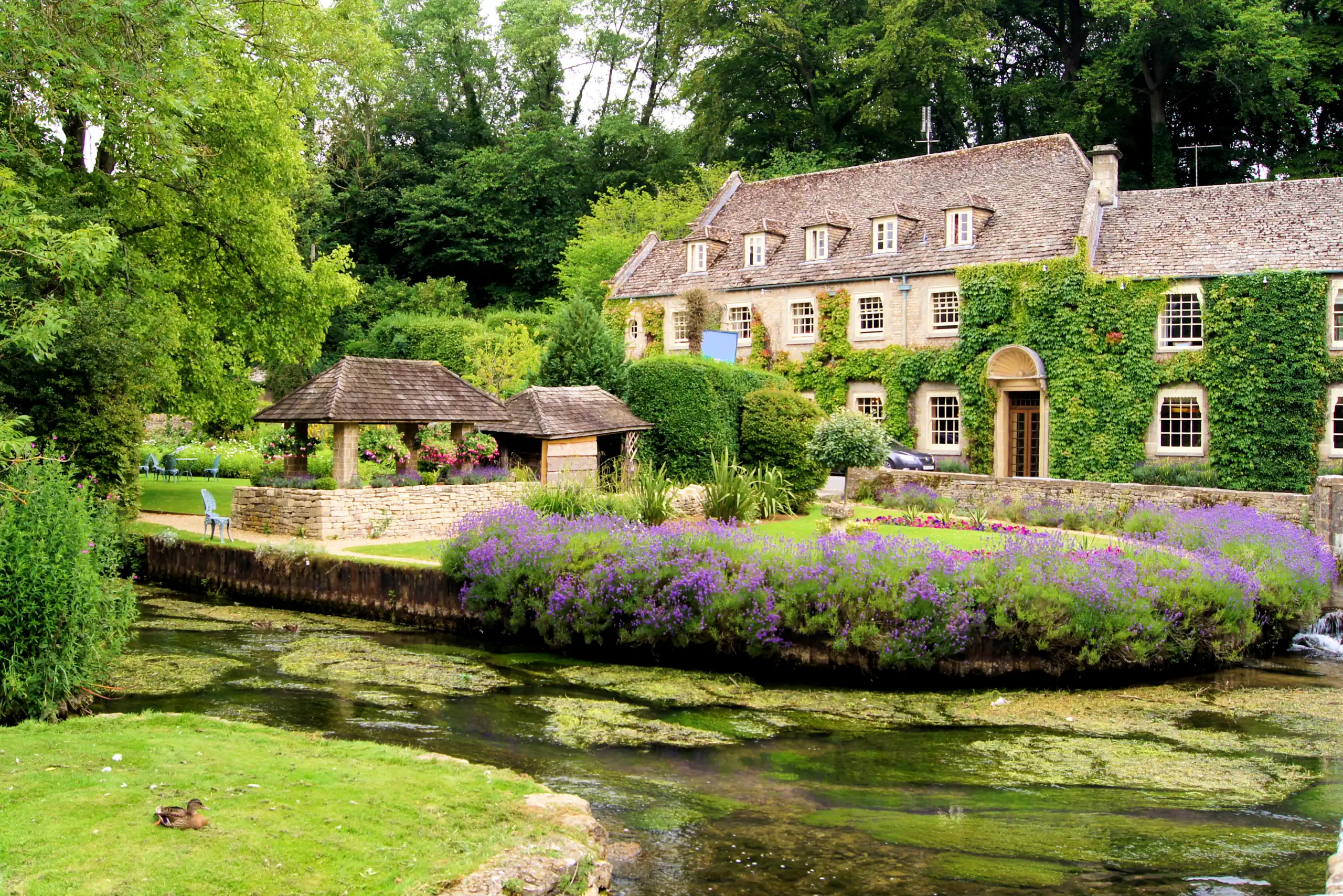
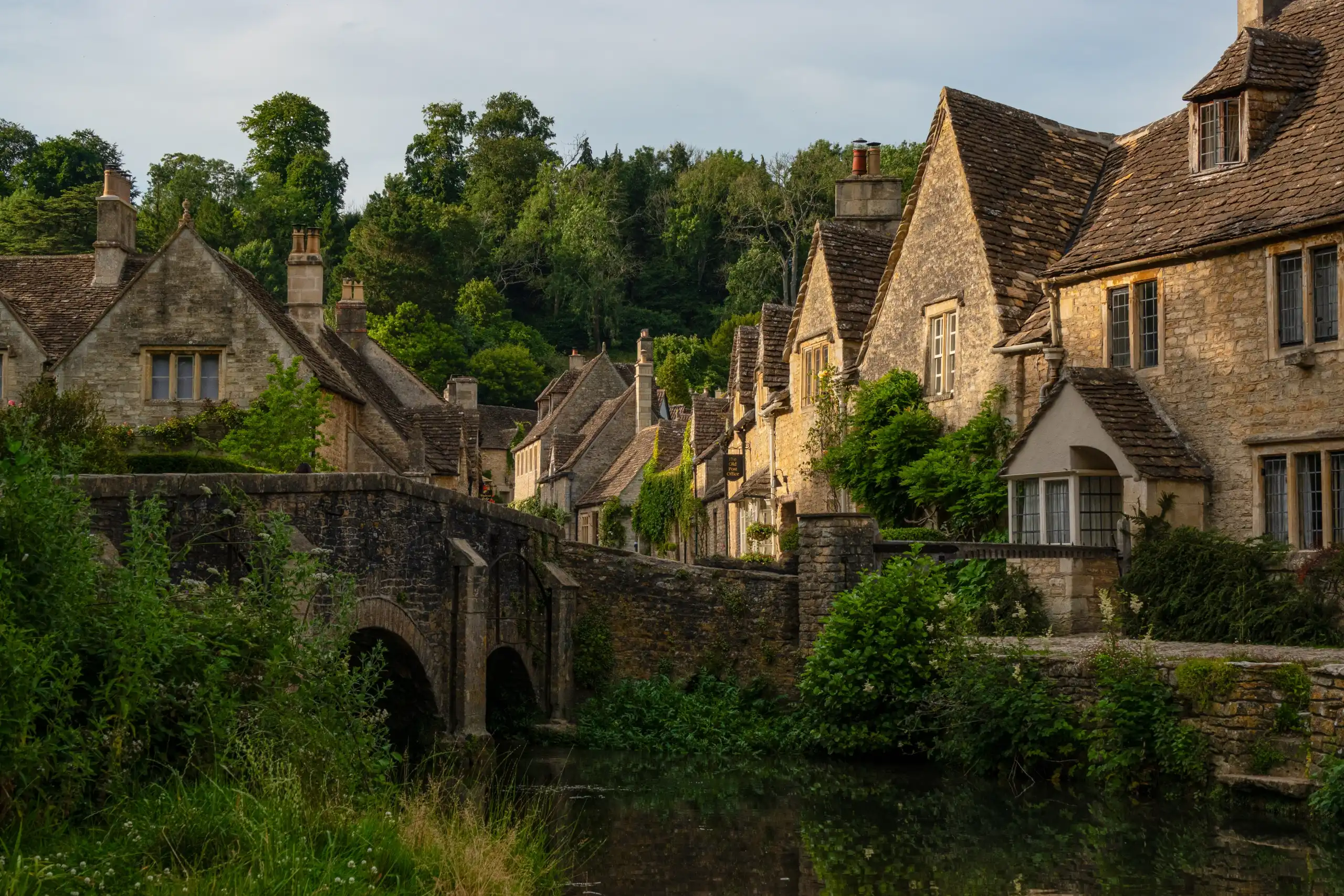
The Cotswolds whispers to Americans in ways that transcend typical property acquisition. This is not merely about square footage or investment returns, though both prove compelling. The region orchestrates a symphony of elements that speak directly to the American sensibility: expansive landscapes, architectural heritage shaped over centuries, and a quality of life that feels increasingly rare.
For discerning Americans navigating their journey of moving to the UK, the Cotswolds represents something profound. It offers the space to breathe, paired with a sense of place that is unmistakably English and quietly enduring. For many buyers, it is the rare combination of privacy, beauty, and proximity to London that makes the region feel both aspirational and practical.
The American Magnetism
Americans find themselves drawn to the Cotswolds for reasons that extend beyond mere aesthetics. The region provides what urban executives describe as “conscious decompression”: the ability to step away from London’s intensity without sacrificing sophistication. Unlike American country retreats, which often feel isolated, the Cotswold’s country estates maintain connectivity to London’s financial district within 90 minutes, creating possibilities that transcend traditional weekend escapes.
The appeal crystallizes around three fundamental elements: space without isolation, heritage without stuffiness, and accessibility without compromise. Americans purchasing properties here discover they can maintain their professional momentum while accessing a lifestyle that feels both timeless and immediately rewarding. The pandemic accelerated this shift dramatically, transforming weekend houses into primary residences as families enrolled children in prestigious institutions like Cheltenham Ladies’ College.
Country pursuits also carry a particular resonance for American buyers. Equestrian facilities can meet the expectations of seasoned riders, while shooting estates offer the kind of well-run organisation associated with longstanding traditions. The social fabric from local hunt clubs to village cricket teams provides a natural way to participate in community life that has been carefully sustained across generations. For many American owners, the prestige is not derived from headlines. It comes from continuity, discretion, and a setting that remains confidently itself.
Estate Categories That Define Contemporary Luxury
Modern manors often suit American families relocating from major urban centres. These properties, frequently constructed within the last two decades, incorporate American-style conveniences within distinctly English architectural frameworks. Kitchens are designed for serious entertaining, wine cellars accommodate extensive collections, and amenities such as home cinemas, secure garaging, and indoor pools satisfy expectations shaped by American luxury standards.
Classic stone properties offer what even the most expensive American markets cannot truly replicate: authenticated provenance. Grade II listed manor houses, some dating to the 16th century, provide living spaces where history resonates through limestone walls and oak beams. These properties often feature formal gardens shaped by renowned landscape architects, creating outdoor spaces that function as natural art installations.
The eco-upgrade category addresses contemporary priorities while respecting architectural integrity. Homes featuring geothermal systems, discrete solar installations, and smart technology integrated into period frameworks demonstrate that sustainability can be additive to luxury, not a compromise against it.
Contemporary architects increasingly design new-build estates that honor Cotswolds vernacular while adopting generous spatial planning. Open-plan living can flow into conservatories that soften the boundary between inside and out, and principal suites can rival the best international standards while remaining unmistakably English in materiality and finish.
The Hybrid Living Revolution
Professional flexibility has reshaped how Americans approach Cotswolds ownership. The traditional weekend retreat has evolved into something more sophisticated: a second address that supports seamless transitions between London obligations and countryside restoration. The result is not escape, but synthesis: a life that performs in the city and recovers in the country.
Technology provision within many estates now mirrors what clients expect in London. Fibre connectivity supports high-quality video calls, while dedicated office rooms are increasingly designed with acoustics, lighting, and privacy in mind. The reward is simple and substantial: the capacity to work at full pace, then step outside into ancient lanes and woodland without losing the day to logistics.
Transportation also supports this rhythm. Key rail stations for accessing the Cotswolds, primarily served by Great Western Railway from London Paddington, include Moreton-in-Marsh (northern), Kingham (central), and Kemble (southern, for Cirencester). Other major access points include Cheltenham Spa, Stroud, Charlbury, and Banbury. For some estates, helicopter arrangements offer direct connections when schedules demand it. Chauffeur services often coordinate with train timetables, ensuring rural living remains operationally smooth rather than romantically inconvenient.
The most functional homes include guest accommodation designed for proper hosting. This enables weekends that can include business conversations, extended family, and friends, with the countryside providing a natural setting for privacy and rapport.
Insider Networks and Off-Market Opportunities
The Cotswolds market still moves through relationships, discretion, and trust. Local agents and advisers often maintain multigenerational connections with families who have held property for decades, creating access to opportunities that never reach public marketing channels. For American buyers accustomed to MLS transparency and standardised processes, this can feel unfamiliar, but it is also where some of the finest properties are quietly exchanged.
This is where informed representation becomes strategic. The Luxury Collective UK bridges expectations by delivering American-grade fiduciary advisory standards while navigating a British market that can be relationship-led and highly nuanced. That nuance matters: some sellers will prioritise stewardship, sensitivity to listed status, and long-term care of the home, even when other offers are financially stronger.
Village connections prove crucial for accessing the most desirable properties. Local relationships often determine which Americans gain entry to exclusive communities versus those who remain perpetual outsiders. The most successful American buyers invest time in understanding local customs, from supporting village events to respecting traditional footpath rights. Off-market transactions frequently occur through these networks, where the finest properties change hands quietly among those who demonstrate genuine appreciation for Cotswolds culture.
Current Market Dynamics and Buyer Profiles
American buyers remain particularly active in defined segments of the Cotswolds market. Homes in the £2 million to £5 million range often appeal to families relocating from global finance and professional services, while estates above £10 million can attract technology founders and private equity principals seeking a primary residence beyond London’s intensity. Exchange-rate conditions can amplify purchasing power for dollar-based buyers, making the value proposition feel structurally favorable at certain moments.
The buyer profile also continues to evolve. Many purchasers are younger than the traditional retirement cohort and place a premium on remote-work readiness alongside the classic markers of country living. In parallel, some families value the stability of a transatlantic lifestyle structure, maintaining business interests across markets while choosing England for its schools, green space, and long-term liveability.
Budget expectations often shift once buyers experience the product quality in person. Americans commonly refine their budgets upward after viewing, recognising that the best Cotswolds houses combine land, architecture, and privacy in a way that is difficult to replicate. Renovation planning also benefits from realism. Restoring heritage features to proper standards can require significant capital, particularly for Grade I or Grade II listed properties where conservation requirements mandate traditional materials and specialist workmanship.
Many of the most successful purchases are homes that require limited immediate intervention, allowing owners to focus on integration rather than project management from abroad. This echoes a broader preference for turnkey luxury real estate London opportunities, whether in Prime Central neighbourhoods like Mayfair or in the countryside.
The Luxury Collective UK Perspective
For Americans seeking a genuinely elevated property experience, the most refined answer is often not either London or the country. It is both, designed with intention. The Cotswolds provides sophisticated rural living that complements London’s professional demands, offering calm, discretion, and an atmosphere of permanence that quietly supports modern life.
The most compelling opportunities emerge for Americans who understand that Cotswolds ownership represents more than property acquisition. It offers entry into cultural experiences that money alone cannot manufacture: movie-set manor houses set against sheep-covered hillsides, villages that feel authentically English rather than curated, and communities defined by continuity and care.
This is where The Luxury Collective UK’s expertise proves invaluable, connecting discerning American clients with opportunities that transcend traditional transactions. The firm provides the bridge between American expectations for clarity, transparency, and fiduciary responsibility and the British market’s relationship-led structure, ensuring clients navigate both worlds with confidence and precision.
The region continues to attract Americans who recognise that the highest form of luxury is not novelty, it is longevity. In the Cotswolds, they gain the opportunity to become careful custodians of homes that will outlast any single chapter of ownership, while enjoying a chance to live large and meaningfully.