
Prime Central Neighborhoods
PCL London Neighborhoods Americans Love Most: Part 1
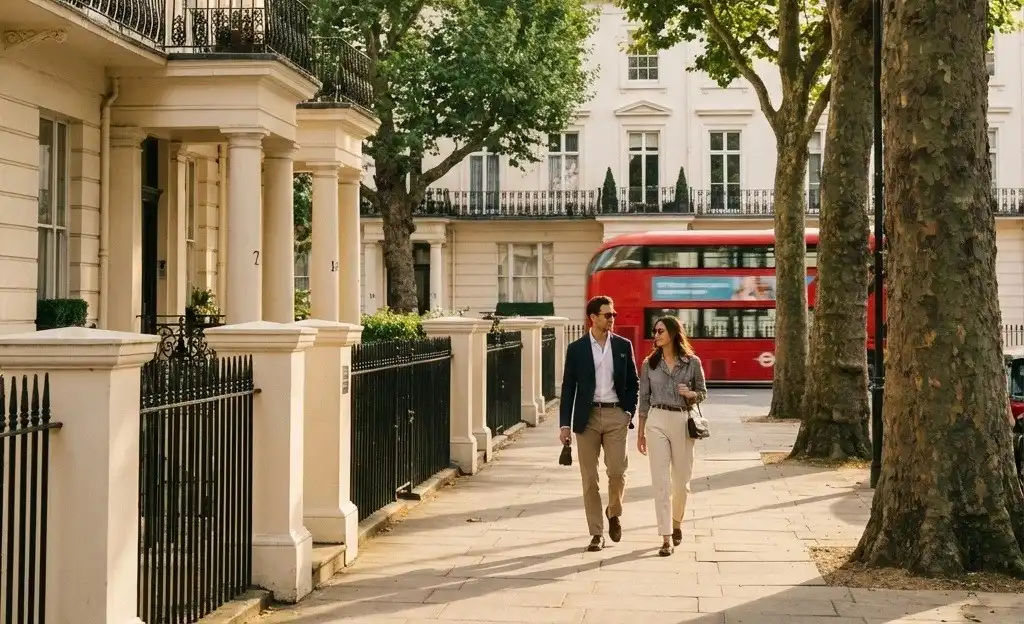
Prime Central London transcends mere geography. It represents a synthesis of cultural sophistication, architectural heritage, and modern convenience that draws discerning Americans across the Atlantic. This is not a dramatic exodus from Manhattan penthouses or Beverly Hills estates. Rather, it is a steady, intentional migration toward neighborhoods that offer something uniquely British yet universally appealing.
The magnetism of these best London neighborhoods lies in their ability to orchestrate daily life around centuries-old garden squares, world-class museums, and international schools. For American expatriates: an estimated 200,000 strong across the United Kingdom: London’s prime central districts provide familiar luxuries wrapped in distinctly European elegance.
What distinguishes prime central London from other global capitals is its quiet confidence. These neighborhoods do not announce their prestige through towering glass structures or sprawling suburban estates. Instead, they whisper sophistication through Georgian terraces, private garden squares, and streets where history mingles effortlessly with contemporary culture.
The American Appeal: More Than Location
Americans gravitate toward luxury real estate London for reasons that extend far beyond investment potential. The city offers career opportunities in finance, technology, and creative industries that rival New York or San Francisco. Yet it provides something those cities cannot: access to Europe’s cultural heart within a three-hour flight, combined with the linguistic familiarity of English-speaking institutions.
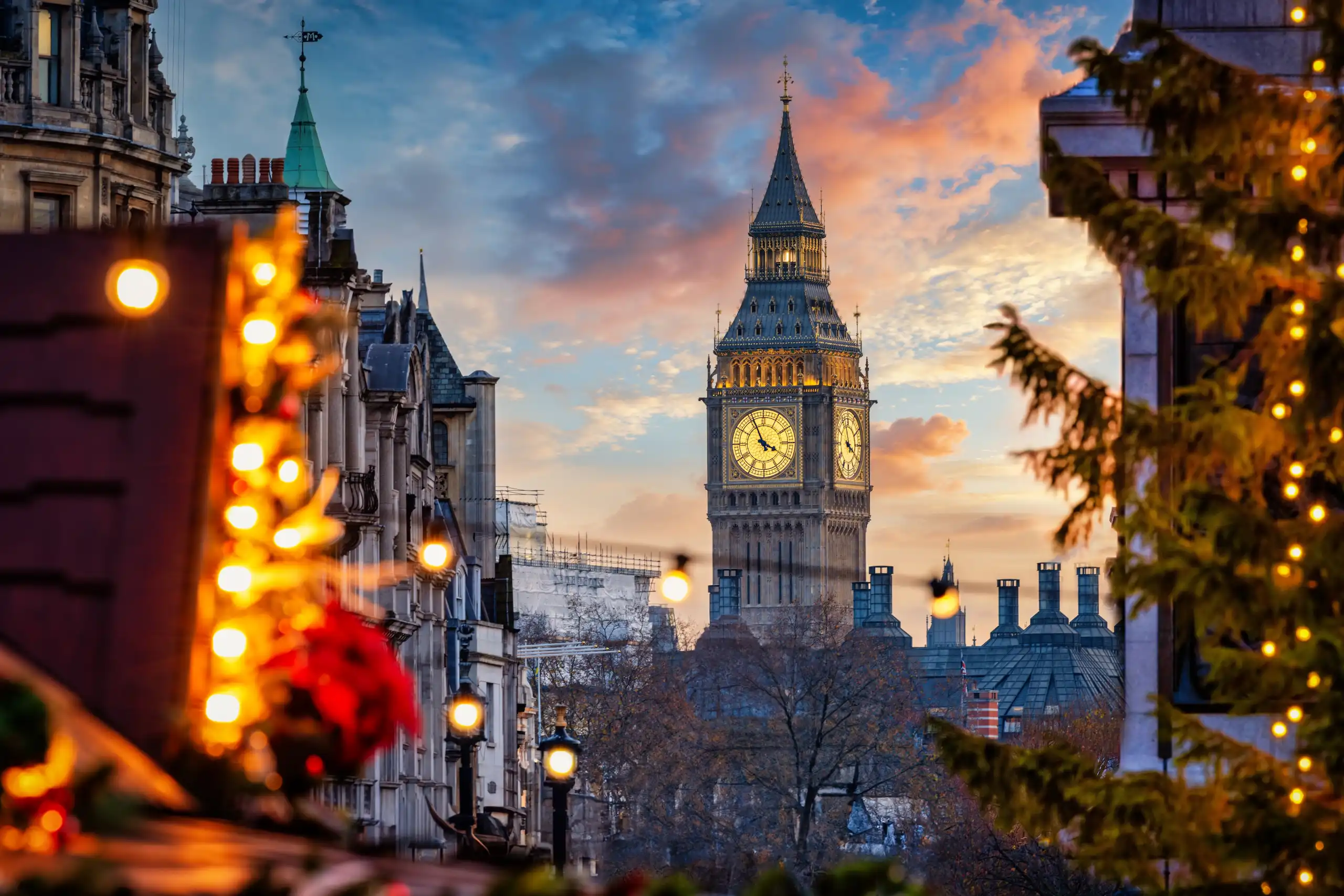
The neighborhoods that capture American imagination share common threads. They feature architectural coherence: those distinctive white stucco facades and wrought-iron balconies that define London’s residential character. They offer proximity to green spaces, from Hyde Park’s serpentine paths to the more intimate garden squares that provide private retreats from urban intensity.
Most importantly, they balance cosmopolitan energy with residential tranquility. An American in London seeks neighborhoods where morning coffee might be accompanied by views of Georgian terraces, while evening entertainment could range from Michelin-starred dining to intimate pub conversations with locals who have called these streets home for generations.
Notting Hill: Bohemian Sophistication
Notting Hill stands as perhaps the most coveted destination for American buyers seeking prime central London property. The neighborhood threads itself through conversations about London living with remarkable consistency, appearing in American expatriate discussions as frequently as mentions of afternoon tea or weekend country escapes.
What draws Americans to Notting Hill is its synthesis of bohemian charm and residential sophistication. The area’s garden squares: those carefully maintained communal spaces surrounded by period architecture: provide a sense of community that mirrors the best American residential developments while maintaining distinctly British character.
The neighborhood’s restaurant scene appeals particularly to American palates seeking both familiar and adventurous dining. From casual gastropubs serving elevated comfort food to innovative restaurants exploring global cuisines, Notting Hill offers culinary diversity that rivals Manhattan’s Upper West Side or San Francisco’s Mission District.
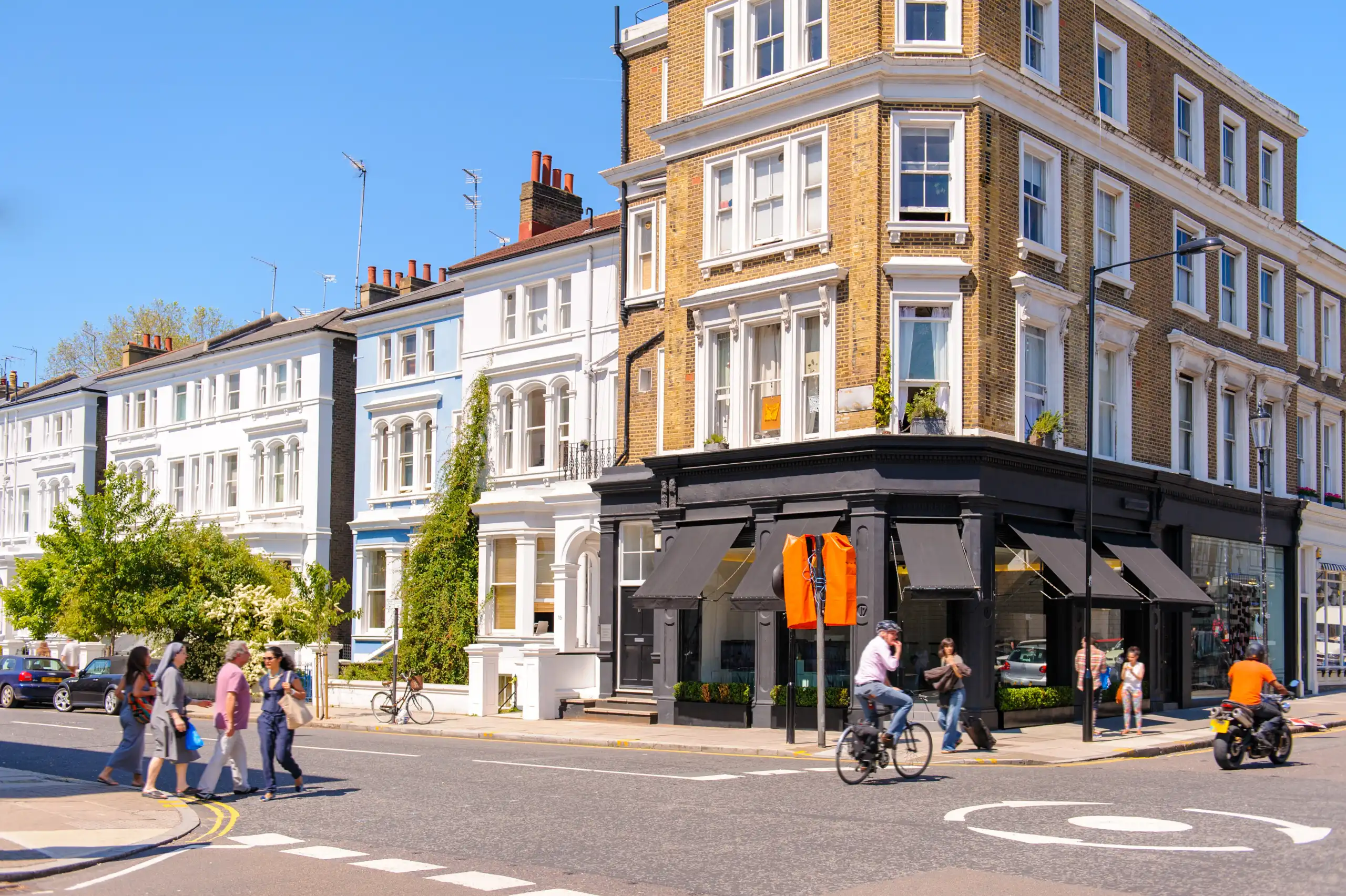
Property types in Notting Hill range from converted mansion flats in grand Victorian buildings to charming mews houses tucked away on cobbled streets. Americans appreciate the neighborhood’s architectural variety, which allows for different lifestyle preferences while maintaining consistent aesthetic appeal.
The area’s cultural calendar: anchored by the famous Carnival but extending through year-round festivals, markets, and community events: creates the social fabric that American expatriates often miss from their home communities. It provides natural opportunities for integration into British life without sacrificing the international perspective that draws many Americans to London in the first place.
Chelsea: Refined Tranquility
Chelsea attracts Americans seeking a more contemplative approach to London living. The neighborhood offers what many describe as a “peaceful vibe” within prime central London: a quality that becomes increasingly valuable as expatriates settle into long-term British residency.
The concentration of designer boutiques along King’s Road provides shopping experiences that rival Madison Avenue or Rodeo Drive, yet with the added charm of historic architecture and European sensibility. Americans often cite this blend of luxury retail and residential calm as Chelsea’s defining characteristic.
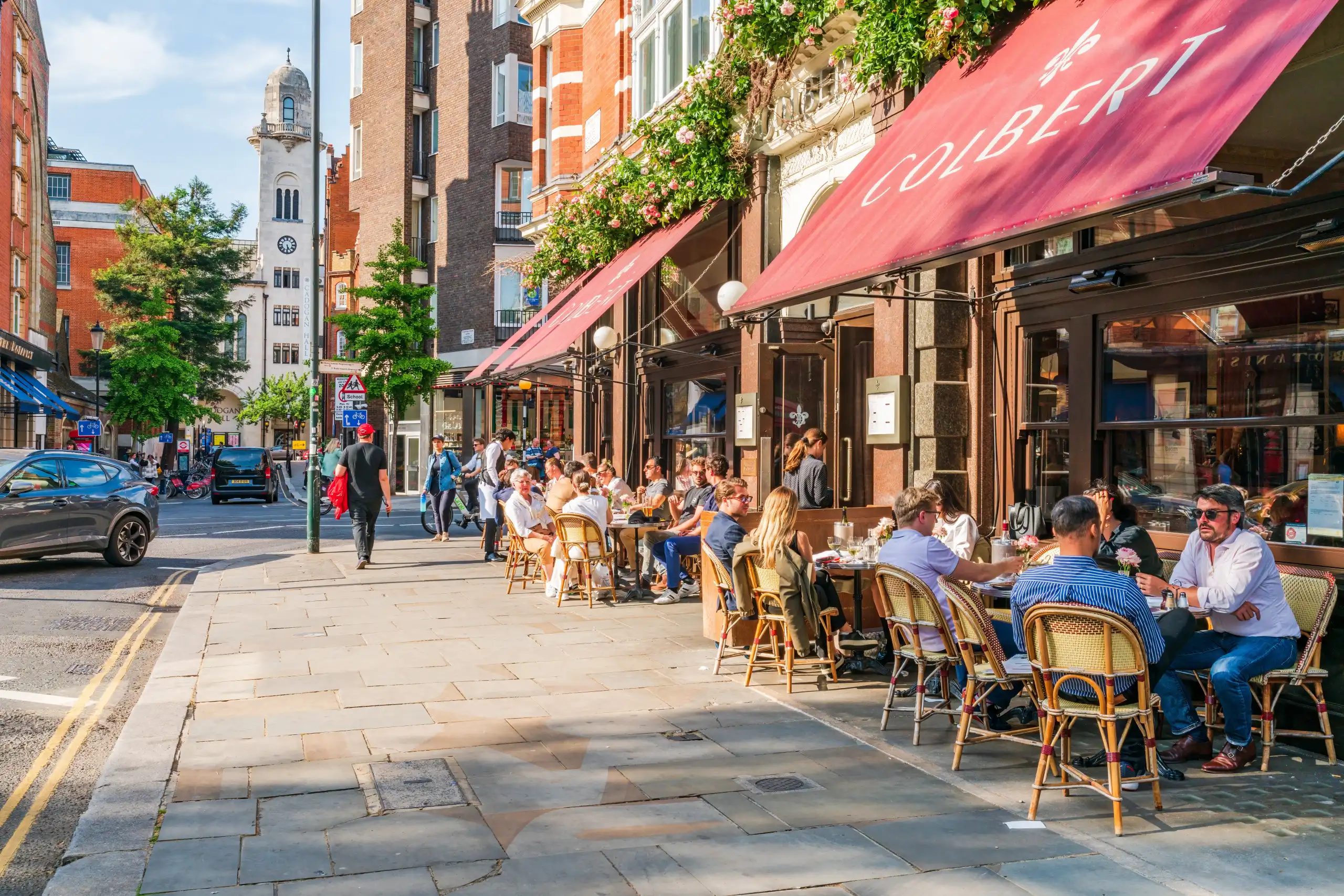
High-end restaurants throughout Chelsea cater to international tastes while celebrating British culinary traditions. This dining landscape appeals to American expatriates who appreciate sophisticated cuisine but value the option to find familiar flavors when homesickness strikes.
The neighborhood’s proximity to the Thames provides additional appeal for Americans accustomed to waterfront living in cities like Boston, San Francisco, or Miami. Chelsea Embankment offers running and cycling paths that rival those along Manhattan’s Hudson River, while maintaining uniquely British river culture.
Property in Chelsea typically features larger living spaces than other central London neighborhoods, with many apartments offering the open-plan layouts that Americans prefer. Victorian conversion flats often include modern amenities within period architecture, creating homes that feel both historically significant and functionally contemporary.
St John’s Wood: The American Enclave
St John’s Wood has earned recognition as London’s unofficial American quarter, largely due to its proximity to the American School in London. This practical consideration has evolved into something more significant: a neighborhood where American families can maintain their cultural identity while embracing British life.
The area’s leafy streets and historic villas create a suburban feeling within central London that appeals to American families transitioning from cities with more generous residential space. Garden squares and tree-lined avenues provide children with safe outdoor space while maintaining urban convenience.
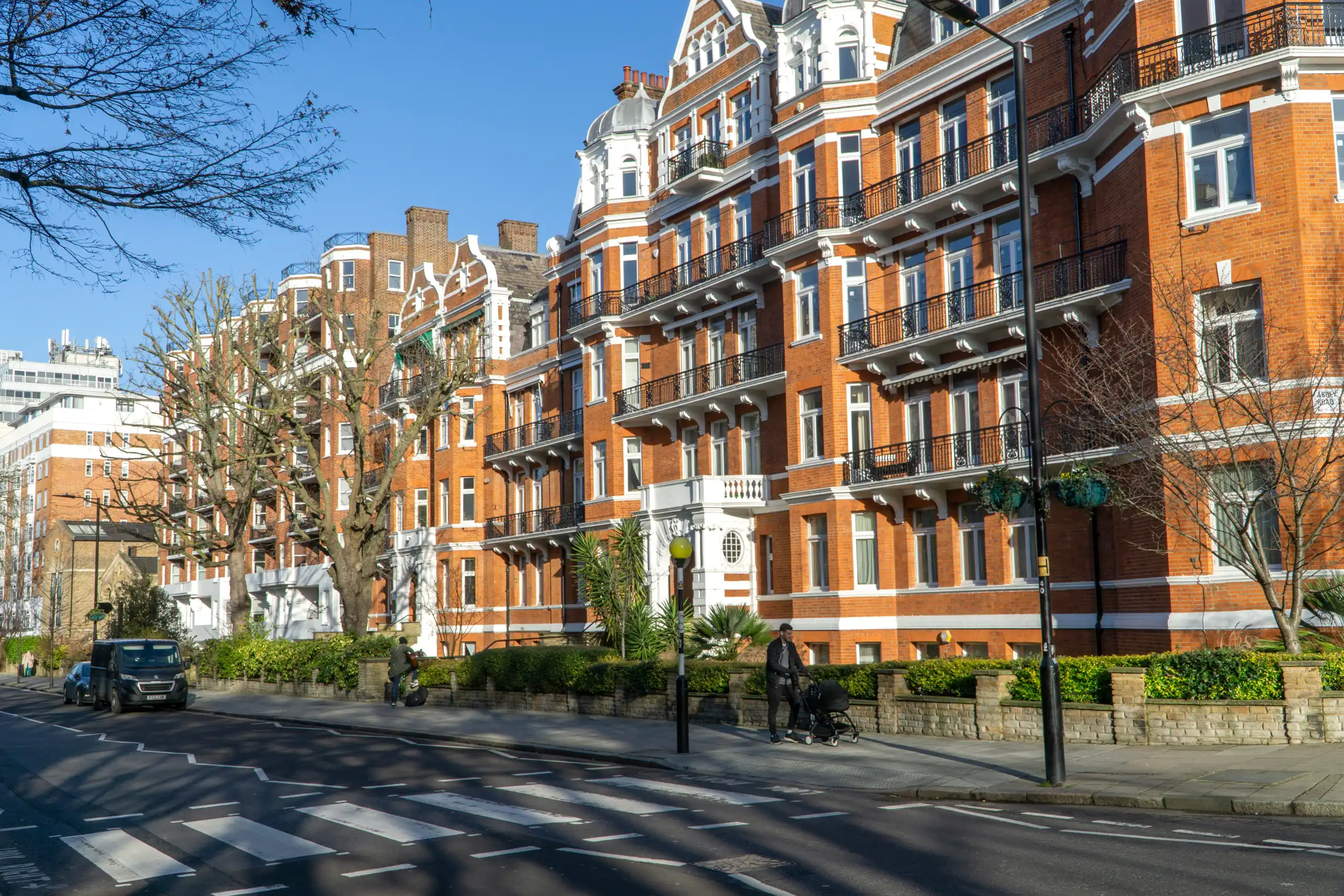
The American School connection extends beyond education to community building. American expatriate families often discover social networks through school connections that ease the cultural transition and provide ongoing support throughout their London residency.
St John’s Wood’s charming high street offers a pedestrian-friendly shopping and dining experience that combines British tradition with international influences. American residents appreciate the neighborhood’s village-like atmosphere, which provides familiar community feelings within one of the world’s great metropolitan areas.
The area’s proximity to Regent’s Park adds significant value for American families. The park’s sports facilities, playgrounds, and open spaces provide recreational opportunities that rival those found in American suburban communities, while the nearby London Zoo offers weekend entertainment that helps maintain family traditions.
What Makes These Neighborhoods Irresistible
The neighborhoods that capture American hearts in London share fundamental characteristics that transcend specific street addresses or property prices. They offer cultural authenticity without sacrificing modern convenience. They provide international community while encouraging local integration.
Most significantly, they allow Americans to experience European living without abandoning the lifestyle preferences that shaped their expectations. Morning coffee might be accompanied by views of Georgian architecture, but it can still be American-style coffee prepared in familiar ways.
These neighborhoods understand that luxury moves quietly through daily life rather than announcing itself through ostentatious displays. They offer the sophisticated pleasures that define prime central London living: proximity to world-class museums, access to private gardens, and the ineffable satisfaction of walking streets that have welcomed international residents for centuries.
In Part 2 of this exploration, we will examine the remaining neighborhoods that complete the American expatriate map of prime central London, from the diplomatic elegance of Belgravia to the emerging appeal of areas like Pimlico and the sophisticated allure of Mayfair’s exclusive addresses.
For Americans considering London as their next chapter, these neighborhoods represent more than real estate opportunities. They offer the possibility of creating a European life while maintaining the cultural connections and lifestyle preferences that define American identity abroad.