
Green Spaces as Status Symbols: London’s Parkside Properties
Where Luxury Meets Landscape
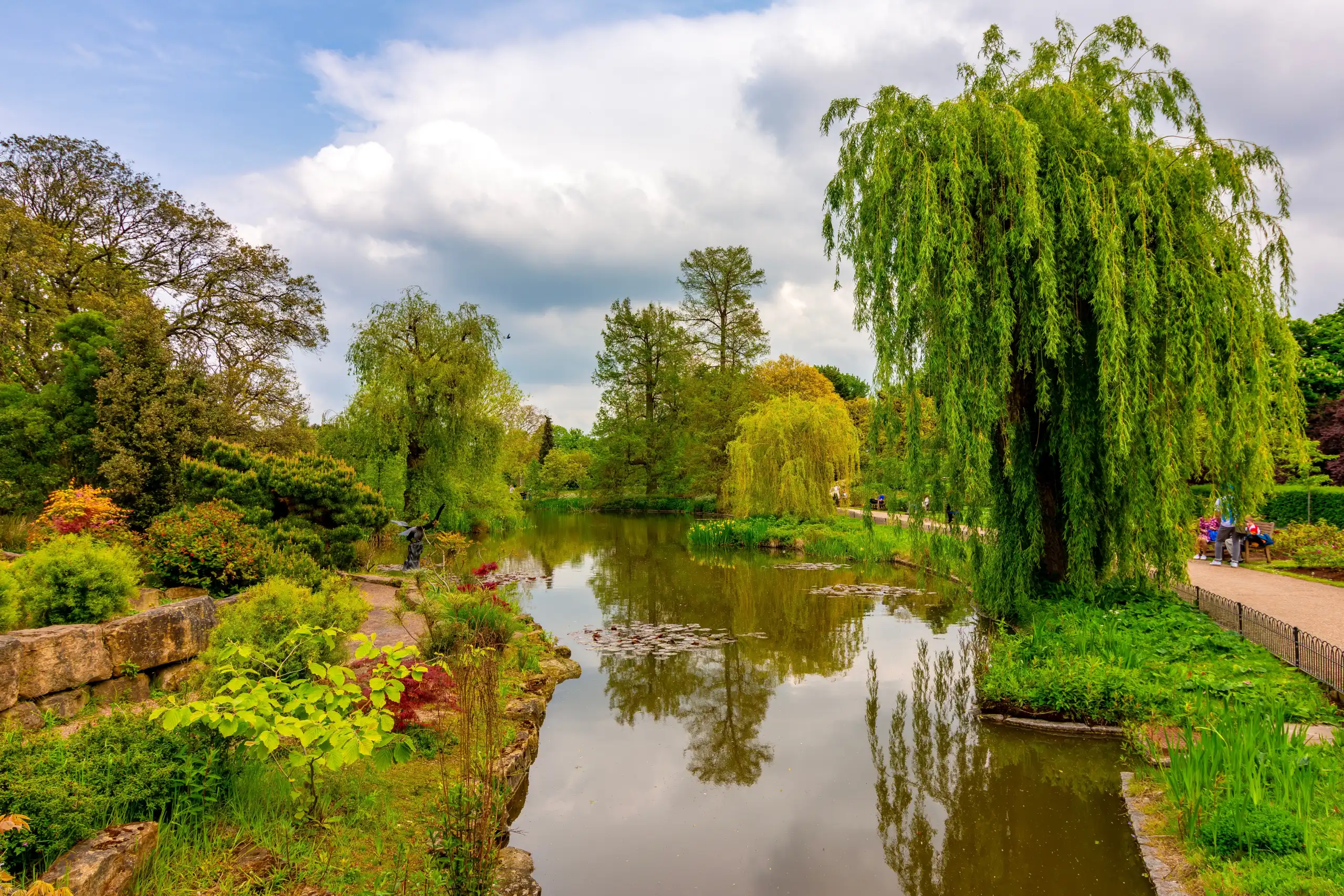
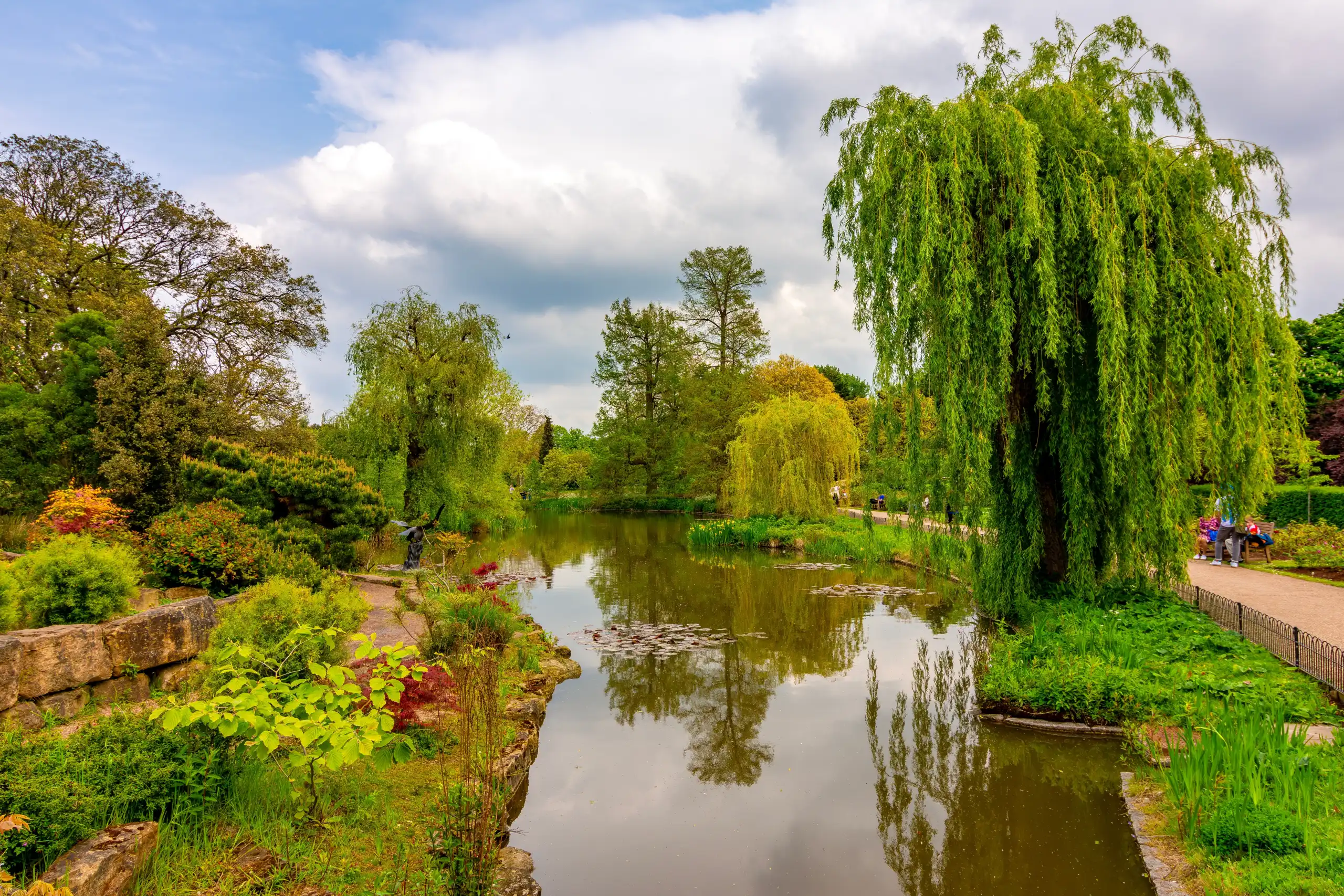
The definition of luxury in a metropolis as dense and historic as London is constantly evolving. While architectural pedigree and interior finish remain paramount, the ultimate status symbol in 2026 is the immediate proximity to unencumbered nature. For the discerning investor, a property is no longer merely a collection of square footage. It is a portal to the city’s lungs. The concept of the parkside residence combines a synthesis of health, heritage, and high finance.
The geography of reprieve in London is defined by its Royal Parks and the more discreet, highly exclusive communal gardens that dot the landscape of Prime Central London. To own a home overlooking Hyde Park, Regent’s Park, or Holland Park is to secure a permanent seat at the table of British history. These are not merely public utilities but vast, meticulously maintained estates that serve as the extended front lawns for the world’s elite. The demand for these vistas has increased, driven by a global appreciation for well-being and a transatlantic shift in how high net worth individuals occupy urban spaces.
The economic weight of a green view is quantifiable and significant. Recent data suggests that properties adjacent to major parks command a consistent price premium of approximately five to seven percent compared to equivalent homes just blocks away. In the ultra-luxury segment, this premium can escalate dramatically when a property offers direct, unobstructed views or private gated access. Proximity to these green corridors adds a layer of resilience to real estate investments, acting as a buffer against broader market fluctuations. For the international buyer, particularly those accustomed to the competitive nature of New York’s Central Park perimeter, the allure of a London parkside residence is both familiar and distinct.
Regent’s Park and the Theatre of Grandeur
Regent’s Park stands as a prime example of this architectural and natural synthesis. The Nash Terraces, with their grand white stucco facades, offer a theatrical living experience that few other locations can match. Here, the boundary between the private sanctuary and the public masterpiece is blurred. Residents wake to the sight of the boating lake and the meticulously manicured flower beds of Queen Mary’s Gardens. This is a location that appeals to those who value a sense of scale and the stewardship of a historic vista.
Holland Park and Understated Cultural Prestige
Further west, Holland Park provides a more intimate and artistic alternative. Known for its lush woodland and the serene Kyoto Garden, this neighborhood attracts a clientele that prefers understated elegance over grandiosity. Holland Park is a sanctuary where the fitness scene and the social scene intersect seamlessly. On any given morning, one might find high-profile residents engaging in personal training sessions beneath the canopy of ancient oaks or enjoying a quiet espresso at a local café. For families, the proximity to these spaces is a non-negotiable factor in their search for high-end london homes.
Transatlantic Expectations and the Reframing of Urban Space
The transatlantic demand for space and lifestyle has fundamentally altered the London property landscape. American buyers, who are increasingly influential in the prime market, bring with them a specific expectation of “indoor-outdoor” living. This cultural influence has heightened the value of homes that offer large sash windows framing parkland or terrace access that invites the greenery inside. This desire for air and light is a key pillar of the American wealth in the UK narrative. It reflects a shift toward a more holistic lifestyle where professional success is balanced by a connection to the natural world.
The Secret World of Private Squares
Beyond the grandeur of the Royal Parks lies a more secretive and quintessential London phenomenon: the private communal garden. These hidden gems, found in areas like Notting Hill, Belgravia, and Chelsea, are the pinnacle of urban exclusivity. Access to these gardens is restricted to the residents of the surrounding houses, often requiring a literal physical key and a commitment to the regulations of a garden association. These spaces represent a private collective where children play in safety and neighbors connect in a curated, natural setting. To hold a garden key is to belong to a specific social fabric that remains invisible to the casual passerby.
Navigating these garden associations requires a nuanced understanding of local property law and historic covenants. Many of these squares are governed by specific acts of Parliament or long-standing committees that manage everything from the selection of flora to the frequency of social gatherings. For a new buyer, understanding the “secret” side of London property is essential. The Luxury Collective UK provides the strategic guidance necessary to decipher these unusual access instructions and ensures that clients understand the responsibilities and privileges that come with being a member of a private garden square. This level of insider knowledge is what distinguishes a standard transaction from a successful relocation into the heart of London’s social elite.
The Wellness Narrative
The fitness and wellness culture that surrounds these green spaces is a vital component of their appeal. In 2026, the park is no longer just a place for a leisurely stroll. It is a high-performance environment. From organized runs around the Serpentine in Hyde Park to yoga sessions in the quiet corners of St. James’s Park, the lifestyle is active and visible. This focus on health is a major draw for families looking to find the best london neighborhoods for their children. The ability to step out of a front door and into 350 acres of managed parkland is a luxury that transcends any interior renovation.
Hyde Park and Kensington Gardens together form a massive green corridor that anchors the most prestigious residential developments in the city. The apartments along Park Lane and the townhouses of South Kensington offer a front-row seat to the changing seasons. The sight of the sun setting over the Round Pond or the first frost on the Long Water provides a grounding rhythm to a high-pressure lifestyle. These homes are often passed down through generations, as the value of the park view is one of the few constants in an ever-changing urban environment.
A Final Word on Preservation, Legacy, and Place
Ultimately, the choice to invest in a parkside property is a choice to prioritize the quality of one’s daily experience. It is an acknowledgement that in an age of digital saturation and rapid urbanization, the most valuable asset is the ability to breathe, to move, and to see the horizon. The Luxury Collective UK remains dedicated to helping clients find these rare opportunities where architecture and nature exist in perfect harmony. In London, the most profound status symbol is not something that can be built. It is something that has been preserved, nurtured, and celebrated for centuries.